
Access enhancement for dog houses in the UK represents a significant shift towards focusing on pet welfare. Innovations such as broader door openings and low thresholds are being implemented to enable easier entry for dogs of various sizes. This emphasis on practicality and safety complements the use of eco-friendly materials, marking a thoughtful approach to pet housing. As these advancements gain traction, one must reflect on the wider consequences for dog care practices and potential future developments in this area.
Key Takeaways
- Introduce low-threshold thresholds and wider doors to suit dogs of different sizes and encourage easy entry.
- Utilize eco-friendly materials that withstand weather and provide easy cleaning for sustainable dog house designs.
- Incorporate adjustable ventilation systems to improve airflow while preserving insulation for weather adaptability in the UK.
- Design accessible ramps or gradual slopes for secure entry and exit, especially beneficial for senior or arthritic dogs.
- Focus on customizable structures that can be adapted to various canine needs, ensuring a comfortable and supportive habitat.
The Importance of Access in Dog Housing

Accessibility in dog housing serves as a essential determinant of both animal welfare and functionality. For dogs, the ability to traverse their environment influences their physical health and emotional well-being. An accessible dog house promotes independence, allowing pets to enter and exit freely, which eases anxiety and supports natural behaviors. In addition, considerations such as door size, ramp inclines, and space layout significantly affect a dog’s comfort and safety. Moreover, adopting a design that accommodates diverse breeds expands usability, ensuring every dog can thrive within its space. Key parameters like easy cleaning and ventilation are also enhanced by accessibility features. Ultimately, prioritizing accessibility transforms dog housing from mere shelter into a supportive habitat, enhancing the canine experience and nurturing a deeper bond between pets and their owners.
Key Features of Accessibility Improvement Active Dog House Slots
The incorporation of access enhancement active dog house slots brings several key features that significantly improve both safety and usability. Enhanced safety features, such as rounded edges and secure locking mechanisms, minimize risks while the improved accessibility design ensures that dogs of all sizes can enter and exit with ease. Additionally, these slots maximize spatial efficiency, allowing for more functional and comfortable living spaces within the dog house.
Enhanced Safety Features
While prioritizing the health of canine companions, advanced safety features in access enhancement active dog house slots integrate innovative designs and materials. These features include reliable latch mechanisms that prevent accidental openings, ensuring dogs remain safe inside their sheltered space. Additionally, smooth edges and non-toxic finishes mitigate injury risks, promoting a safe environment. The slots are designed to withstand environmental pressures, using fortified structural elements to reduce vulnerabilities from weather conditions. Furthermore, customizable entry sizes accommodate various breeds while minimizing escape risks. Built-in ventilation systems not only enhance comfort but also promote health by preventing the buildup of unhealthy odors. Collectively, these advancements reflect a forward-thinking approach to canine safety, fostering an environment where pets can thrive and explore liberally.
Improved Accessibility Design
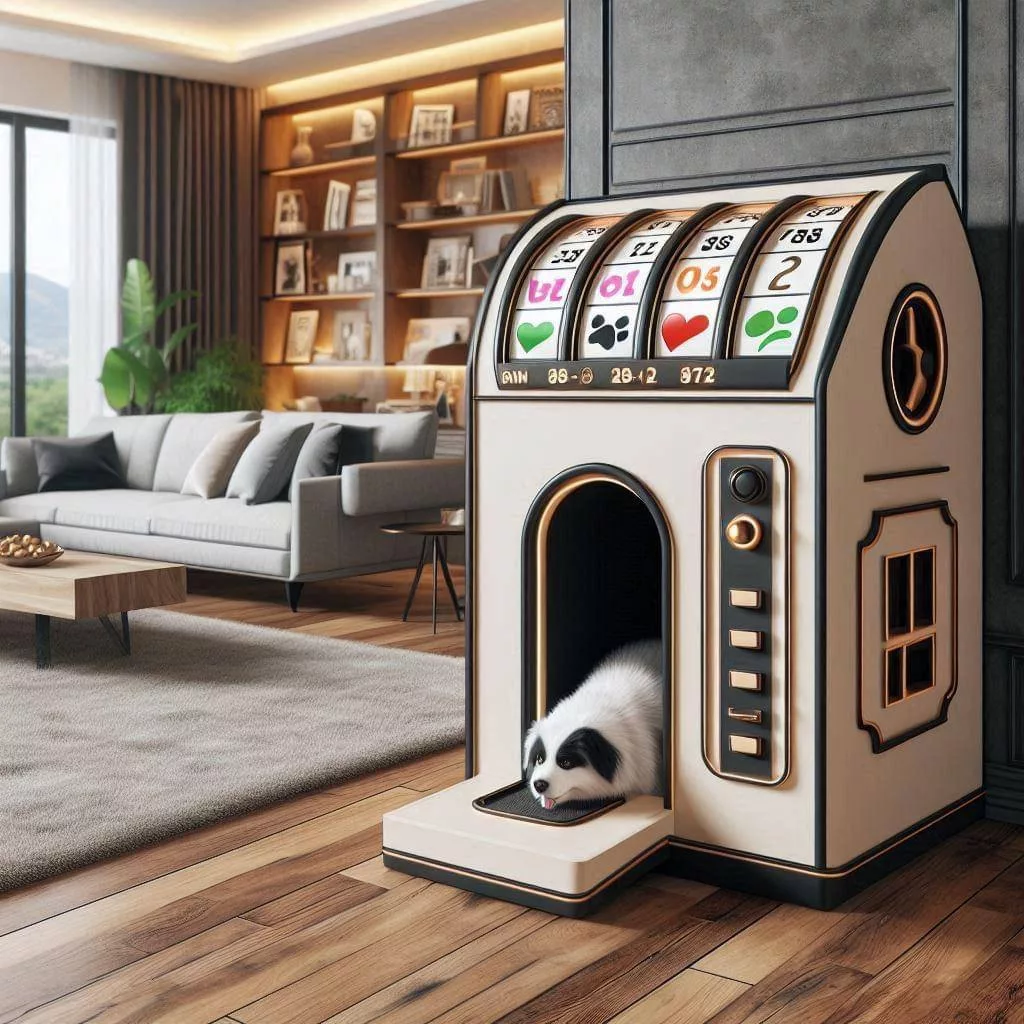
Beyond advanced safety features, improved accessibility design in access enhancement active dog house slots ensures that dogs and their guardians can navigate spaces with comfort and comfort. These slots are engineered with broader openings, accommodating various dog sizes, while low thresholds facilitate easy entry and exit. Additionally, the materials used are chosen for their longevity and low maintenance, providing a uninterrupted experience for both dogs and their owners. Inclined surfaces and non-slip textures enhance movement, reducing the risk of injury during use. The inclusion of ergonomic handles or levers allows for natural operation by guardians, promoting interaction and accessibility. This all-encompassing approach redefines the user experience, ultimately fostering a sense of independence and freedom for both pets and their humans.
Increased Space Efficiency
Space efficiency within entry enhancement active dog house slots significantly enhances the usability of these structures, allowing for a more practical environment for both dogs and their owners. By incorporating flexible designs, these slots maximize internal area while maintaining an visually pleasing exterior. Cutting-edge materials facilitate lightweight yet durable construction, reducing unnecessary bulk and enhancing portability. Additionally, smart organizational elements, such as integrated storage for accessories, further encourage efficient use of space. The design focuses on ease of movement, ensuring that dogs can navigate comfortably, which in turn fosters a more active and engaged lifestyle. Overall, increased space efficiency caters to the needs of pet owners, creating a harmonious blend of practicality and freedom in dog housing solutions.
Benefits of Improved Dog House Entrances
An improved entrance to a dog house can significantly enhance both the functionality and safety of the structure. Well-designed entrances facilitate easy access for pets, promoting independence and encouraging dogs to explore their surroundings. Enhanced door designs, such as flaps or adjustable widths, prevent inclement weather intrusion, ensuring a comfortable and secure environment. By incorporating features like anti-slip surfaces and raised thresholds, owners minimize the risk of injury, particularly for older or smaller breeds. Additionally, enhanced visibility through the entrance allows owners to monitor their pets’ well-being without disrupting their space. Ultimately, these improvements cultivate a harmonious balance between freedom and security, enriching the overall quality of life for dogs while granting peace of mind to their owners. https://doghouseslot.eu/
Popular Materials Used in Slot Improvements
Materials picked for slot improvements in dog houses play a crucial role in boosting durability and functionality. Commonly employed options include high-density polyethylene (HDPE), known for its weather resistance and ease of cleaning, ensuring hygiene. Wood, particularly treated varieties, offers insulation and a natural aesthetic, though it requires regular maintenance to prevent rot. Aluminum comes forth as a lightweight, rust-resistant alternative, reinforcing structural integrity while allowing for flexibility in design. Additionally, composite materials blend the best attributes of wood and plastics, offering enhanced longevity without the maintenance drawbacks. Each material contributes uniquely to a dog house’s overall efficiency, catering to pet owners who prioritize both comfort and practicality, fitting perfectly with a lifestyle that embraces freedom and innovation.
Real-Life Examples of Enhanced Dog House Designs
Real-life examples of enhanced dog house designs showcase a range of innovative features that prioritize functionality and comfort. These include advanced insulation techniques that enhance thermal regulation and accessible entry solutions tailored to varying canine sizes and needs. Such enhancements not only raise the overall living conditions for dogs but also indicate a growing trend in pet care design focused on practicality and well-being.
Innovative Design Features
While traditional dog houses often prioritize basic shelter, numerous innovative designs have surfaced, highlighting features that enhance both functionality and comfort for canine companions.
One instance is the raised dog house, which enhances drainage and air circulation, keeping interiors dry and preventing moisture retention. Some designs incorporate removable, washable panels, enabling easy cleaning and maintenance. Additionally, multi-functional structures have been created, combining a dog house with outdoor storage for toys or supplies, maximizing space utility.
Some designs incorporate natural ventilation systems and adjustable flaps to control airflow based on climate. Eco-friendly materials are more popular, appealing to environmentally conscious pet owners. Ultimately, these developments reflect a shift towards emphasizing the well-being and satisfaction of dogs in their living environments.
Enhanced Insulation Techniques
To guarantee optimal comfort throughout varying climates, modern dog house designs increasingly include enhanced insulation techniques that cater specifically to the needs of canine residents. Use of insulated panels, often made from high-density polyurethane, significantly lowers temperature fluctuations, providing a stable microclimate. Furthermore, double-walled constructions capture air, improving thermal protection against the elements. Reflective roofing materials, skilled at deflecting sunlight, can mitigate overheating during summer months. Real-life examples include dog houses with adjustable ventilation systems, promoting airflow while maintaining insulation integrity. Advanced designs also utilize eco-friendly materials, guaranteeing sustainability. These insulation enhancements illustrate a growing recognition of the importance of creating favorable environments for canines, combining functionality with the desire for freedom in outdoor living.
Accessible Entry Solutions
Numerous modern dog houses now feature accessible entry solutions that cater to different canine needs, enhancing both convenience and comfort. Innovative designs incorporate low-threshold thresholds and wider doors, accommodating dogs of various sizes and mobility levels. For instance, some models utilize sliding doggy doors, which allow for smooth access while preventing drafts. Others integrate ramps or gentle slopes, offering a safe passage for elderly or arthritic pets. Additionally, carefully placed entry mats enhance traction and stability, minimizing the risk of slips. These considerate enhancements not only emphasize the dogs’ physical ability but also their psychological well-being, promoting a sense of independence. Ultimately, these inclusive designs represent a progressive move toward enhancing the overall quality of life for all canine companions.
Future Trends in Dog House Accessibility Solutions
As designers and pet owners increasingly recognize the importance of accessibility in dog house improvements, novel solutions are emerging to accommodate a broad range of canine needs. Future trends in dog house accessibility will likely focus on customizable features, integrating sensor technology for simple entry and exit, and modular designs that suit various breeds and sizes. Energy-efficient materials and environmentally friendly designs are expected to lead the shift towards sustainability in pet housing. Additionally, smart home connectivity may permit pet owners to monitor their dogs’ well-being and environment remotely. Such advancements not only enhance the physical accessibility of dog houses but also encourage a more cohesive living experience for both pets and their owners, ultimately promoting a greater sense of freedom and independence.